
Sound Mind Lab
At Royal Holloway, University of London, we use behavioural experiments and brain imaging to study how people make sense of sound and communicate with one another.


Research
Learning to listen
How do people hear structure in language and music? A change in pitch or a lengthened word or musical note can signal the end of a phrase of speech or music. Individuals vary in their ability to perceive these cues. Both long-term and short-term experience, as well as innate abilities, shape which cues people use, and we study this flexibility. In recent unpublished work, we’re exploring whether transcutaneous auricular vagus nerve stimulation (taVNS) can enhance learning.
- Tailored PerceptionJournal of Experimental Psychology: General · 2020
- Effects of language experience on domain-general perceptual strategiesCognition · 2021
Listening studies and references
In our speech experiments, listeners’ use of pitch and duration was associated with functional connectivity between regions involved in language and pitch perception. We also found rapid reweighting of cues when listeners encountered an unfamiliar accent pattern.
- Jasmin, K., Dick, F., Holt, L. L., & Tierney, A. (2020). Tailored perception: Individuals’ speech and music perception strategies fit their perceptual abilities. Journal of Experimental Psychology: General, 149(5), 914–934.
- Jasmin, K., Dick, F., Stewart, L., & Tierney, A. T. (2020). Altered functional connectivity during speech perception in congenital amusia. eLife, 9, e53539.
- Jasmin, K., Sun, H., & Tierney, A. T. (2021). Effects of language experience on domain-general perceptual strategies. Cognition, 206, 104481.
- Jasmin, K., Tierney, A., Obasih, C., & Holt, L. (2023). Short-term perceptual reweighting in suprasegmental categorization. Psychonomic Bulletin & Review, 30, 373–382.
- Symons, A., Jasmin, K., & Tierney, A. (2026). Speech perception strategies shift instantly. Cognition, 266, 106299.
- Kachlicka, M., Jasmin, K., Symons, A., Saito, K., Dick, F., & Tierney, A. (2026). English Prosody Dataset for investigating English prosody acquisition. Studies in Second Language Acquisition, 1–20. Download the dataset.
Imagining and transforming sound
A musical element like a note can be thought of as a point in an acoustic space, whose dimensions consist of auditory features like duration, loudness, pitch, and timbre. Imagine a tone getting longer while becoming lower. When listeners were asked to imagine changes to pitch and duration, we found a grid-like fMRI signal in the entorhinal cortex, a region involved in navigation. In a separate experiment, performing a spatial reasoning task slowed responses to imagined changes in sound. Spatial processing may play a role in mental transformation of sounds.
- Auditory-only navigation in a pitch–duration spaceThe Journal of Neuroscience · In press

Navigation methods and reference
A related doctoral project asks how the brain represents sound during music-making. See Neural codes for music-making.
- Jasmin, K., Bullock, M., Atkins, R., Bottini, R., Sigismondi, F., Dick, F., & Tierney, A. (in press). Entorhinal grid-like coding during auditory-only navigation in a pitch–duration space. The Journal of Neuroscience. Preprint.
Communicating together
What changes in the brain when we speak with someone? Using fMRI during real-time live interactions, we have found that although we tend to focus on the left hemisphere’s role in language, the right hemisphere plays a crucial role in social communication, and especially so in autistic individuals.
- Cohesion and Joint SpeechThe Journal of Neuroscience · 2016
- Overt social interaction and resting stateBrain · 2019



Communication studies and references
Group chant and prayer are everyday examples of speaking in unison.
Compared with speech repetition, spontaneous conversation was associated with a greater increase in functional connectivity among several brain regions in autistic participants than in non-autistic participants. A follow-up analysis associated right inferior frontal connectivity with how autistic participants used language. Exploratory results pointed to links with left-hemisphere communication regions, suggesting a possible compensatory role.
- Jasmin, K. M., McGettigan, C., Agnew, Z. K., Lavan, N., Josephs, O., Cummins, F., & Scott, S. K. (2016). Cohesion and Joint Speech: Right Hemisphere Contributions to Synchronized Vocal Production. The Journal of Neuroscience, 36(17), 4669–4680.
- Jasmin, K., Gotts, S. J., Xu, Y., Liu, S., Riddell, C. D., Ingeholm, J. E., Kenworthy, L., Wallace, G. L., Braun, A. R., & Martin, A. (2019). Overt social interaction and resting state in young adult males with autism: core and contextual neural features. Brain, 142(3), 808–822.
- Jasmin, K., Martin, A., & Gotts, S. J. (2023). Atypical connectivity aids conversation in autism. Scientific Reports, 13, 5303.
- Gotts, S. J., Ramot, M., Jasmin, K., & Martin, A. (2019). Altered resting-state dynamics in autism spectrum disorder: Causal to the social impairment? Progress in Neuro-Psychopharmacology & Biological Psychiatry, 90, 28–36.
How auditory systems cooperate
Work with Sophie Scott and César Lima proposes that the rostral (front) of the auditory cortex integrates sound over time to support recognition. Posterior (backward) regions respond rapidly to changes and help guide actions such as speaking.
- Understanding rostral–caudal auditory cortex contributions to auditory perceptionNature Reviews Neuroscience · 2019
Auditory pathways and full references
- Jasmin, K., Lima, C. F., & Scott, S. K. (2019). Understanding rostral–caudal auditory cortex contributions to auditory perception. Nature Reviews Neuroscience, 20(7), 425–434.
- Scott, S. K., & Jasmin, K. (2022). Rostro-caudal networks for sound processing in the primate brain. Frontiers in Neuroscience, 16, 1076374.
Space and gestures
Spontaneous hand gestures reveal how people conceptualize time, and how this doesn’t always align with spoken metaphors.
- The Hands of TimeCognitive Linguistics · 2012
- Good and Bad in the Hands of PoliticiansPLOS ONE · 2010
Space, gesture and judgement studies
Whether the associations behind the QWERTY effect share a mechanism with keyboard interference during auditory imagination remains an open question.
- Casasanto, D., & Jasmin, K. (2012). The Hands of Time: Temporal gestures in English speakers. Cognitive Linguistics, 23(4), 643–674.
- Casasanto, D., & Jasmin, K. (2010). Good and Bad in the Hands of Politicians: Spontaneous Gestures during Positive and Negative Speech. PLOS ONE, 5(7), e11805.
- Jasmin, K., & Casasanto, D. (2012). The QWERTY Effect: How typing shapes the meanings of words. Psychonomic Bulletin & Review, 19(3), 499–504.
- Casasanto, D., Jasmin, K., Brookshire, G., & Gijssels, T. (2014). The QWERTY Effect: How typing shapes word meanings and baby names. Proceedings of the 36th Annual Conference of the Cognitive Science Society, 296–301.
People

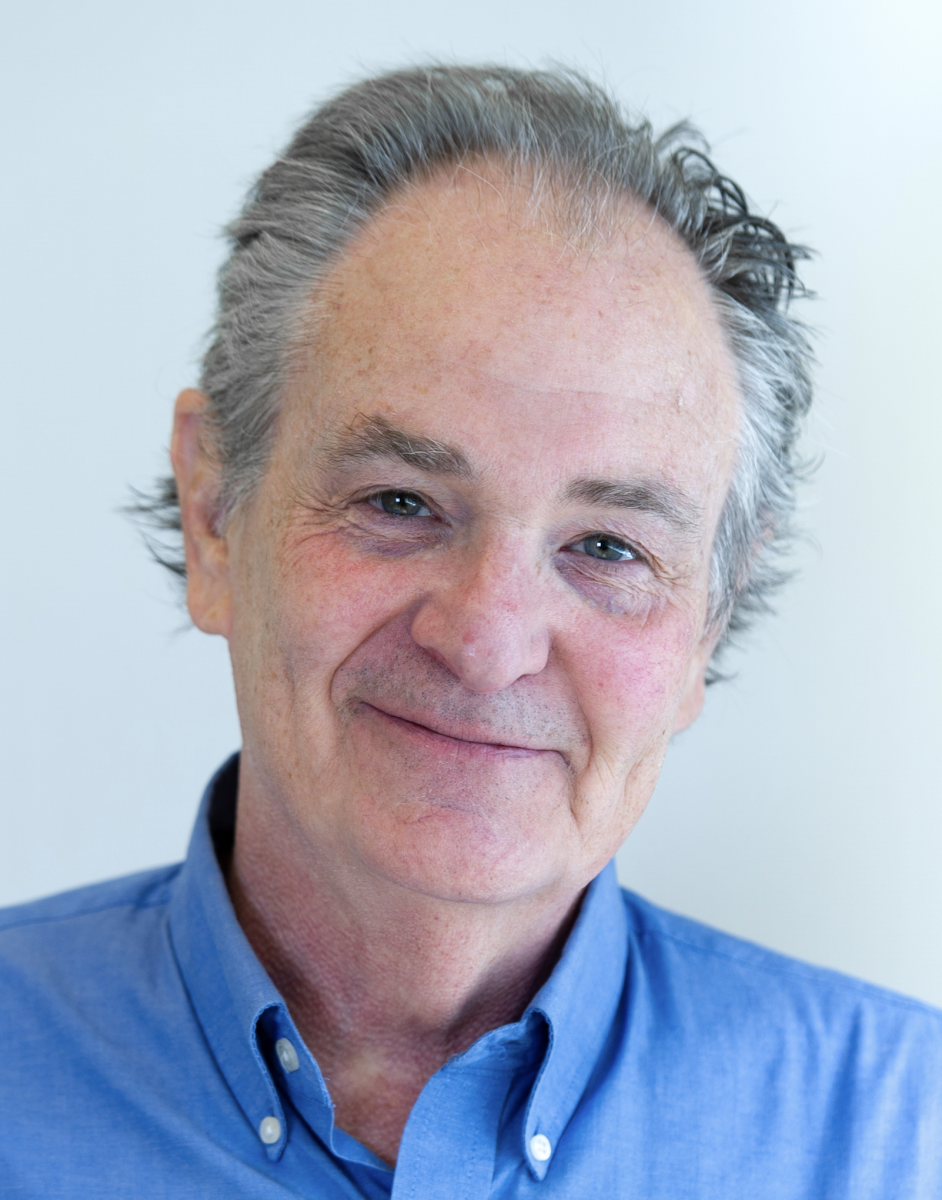
Kyle Jasmin
Lab director and Lecturer in Psychology at Royal Holloway, studying how the brain supports listening, auditory imagination and spoken interaction.
Current PhD students
Rabia Farooq
Rabia studies how the brain and body respond to time in nature, and how those responses relate to mental wellbeing. Rabia’s research profile
-
 Dawn Watling (primary supervisor)
-
 Gabriele Bellucci
-
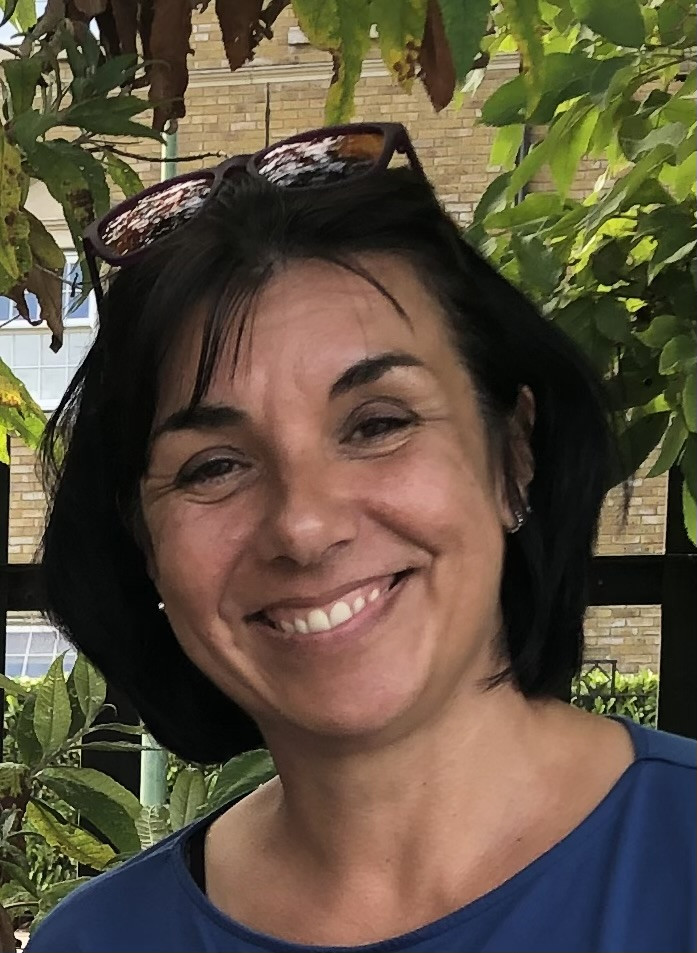 Julie Whelan
Photo © RBG Kew
Current student projects
MSc Applied Neuroscience
Alexander Profit and Eyup Sezer are investigating how transcutaneous auricular vagus nerve stimulation (taVNS) affects learning, in collaboration with Oliver Case.
Undergraduate research
Martina Attolico, Astrid Butler, Fadxa Adde and Arththe Ravichandran are investigating the relationship between Heschl’s gyrus morphology and musical experience.
Research collaborators
Learning to listen
-
 Adam Tierney
-
 Fred Dick
-
 Lori Holt
-
 Lauren Stewart
-
 Ashley Symons
 Chisom Obasih
-
 Magdalena Kachlicka
-
 Kazuya Saito
-
 Saloni Krishnan
Imagining and transforming sound
Communicating together
How auditory systems cooperate

Space and gestures

Lab alumni
Hannah Jones

Hannah studies language learning in neurodivergent children at UCL and works with the lab on PROPEL. Her primary supervisor at UCL is Saloni Krishnan. Kyle previously supervised Hannah and now serves on her thesis committee. Hannah on the UCL lab page
Past student projects have investigated links between autism, compensation, and friendship, used fMRI to study theory of mind, studied how people who play different musical instruments hear sound cues differently, and examined how vagus nerve stimulation affects learning from feedback, and how anxiety moderates this relationship.
Research staff, volunteers and placements
-
Roger Atkins was a research assistant and co-authored the auditory navigation study.
-
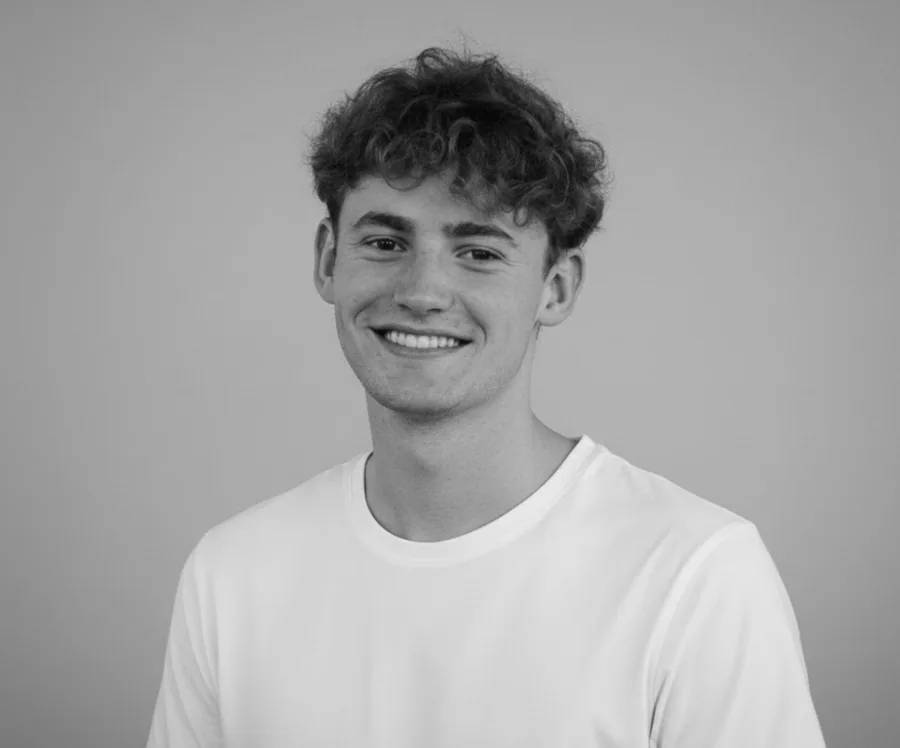 Oliver Case (2024–25) co-authored a poster at ESCAN 2026 on vagus nerve stimulation and learning with Joe Barnby and colleagues. He went on to doctoral research at UCL’s Neurocardiology Centre.Meet the Nomad team
Nomad Neuroscience
Oliver co-founded Nomad Neuroscience and is its clinical and science lead.
- Jorja Davis (2025) joined on an undergraduate research bursary, co-authored the ESCAN poster on vagus nerve stimulation and learning and went on to doctoral study in psychology at the University of Florida.
-
 Adriana Rostekova (2021–22) volunteered in the lab and completed an MSc in Clinical Psychology at Royal Holloway before doctoral research at the University of Geneva. Adriana’s research in Geneva

Dissertation students
Humour recognition project
This 2023–24 project used fMRI to study how perspective-taking and executive function help us recognise humour.
-
Mihika Atri completed her MSc Applied Neuroscience dissertation on this project. Mihika on her dissertation
-
 Charley Roberts began a Centre-UB-funded PhD at the University of Birmingham’s Kornysheva Lab in September 2025. Charley’s University of Birmingham project
 Meha Bhatt is an Authorised Person in equity broking at Pristine Holdings. She completed a research placement on a project for The Walt Disney Company about the clinical application of attention therapy.

-
 Martina Maria Tarantini (2022–23) studied how listeners weigh cues in speech and music. She went on to an MSc in Clinical Neuroscience at UCL and research with the University of Sheffield’s Speech and Hearing group. Martina’s research background · Sheffield Speech and Hearing group





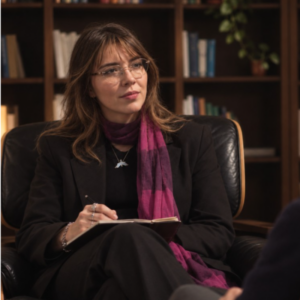
Study with us
Interested in how we hear, imagine or communicate through sound? Kyle Jasmin’s Royal Holloway profile lists PhD projects, including opportunities to use behavioural experiments or brain imaging.


